Review: Happy Halloween Spider Web 3D SVG for Pro Design
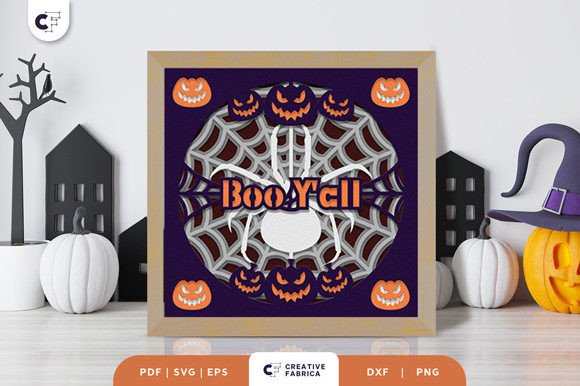
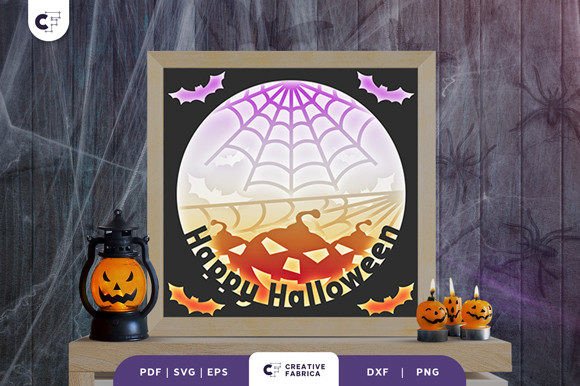
As a graphic designer constantly juggling seasonal campaigns for small business clients, my first instinct when opening a new file is to assess its versatility and technical integrity. I recently pulled the Happy Halloween Spider Web 3D SVG into my workspace while developing a visual identity for a boutique candle maker launching a limited-edition autumn collection. The client needed something that felt immersive and tactile without crossing into the realm of cheap, clipart-style horror. Upon initial inspection, this asset immediately established a moody, atmospheric tone. Unlike flat vector graphics that often feel sterile on screen, this design leverages layering to create genuine depth, mimicking the look of a physical shadow box or a layered paper cutout.
The visual mood here is sophisticated yet playful. It captures the essence of Halloween through the iconic imagery of the spider web but elevates it through a modern 3D SVG structure. For brand owners and marketers, this distinction is crucial. We are not just selling a holiday; we are selling an experience. The intricate detailing of the web strands suggests craftsmanship, which aligns perfectly with handmade businesses and artisanal product lines. When I placed this graphic against a deep charcoal background in a preliminary logo concept, the layers popped, creating a sense of movement that static images rarely achieve.
Integrating Depth into Brand Identity and Packaging
In real-world design situations, the utility of a graphic design asset is defined by how well it adapts across various mediums. I tested this spider web illustration across several touchpoints for the candle project. For packaging design, specifically the label on a glass jar, the layered nature of the file allowed me to separate elements slightly to create a parallax effect when viewed from different angles. This adds a premium feel to the product mockup, making the item stand out on a crowded shelf.
Beyond physical goods, the asset shines in digital product creation. For social media graphics, particularly Instagram Stories and Pinterest pins, the depth creates immediate visual interest as users scroll rapidly through their feeds. It serves as an excellent hero graphic for website banners or email headers during the October campaign season. For crafters using Cricut or Silhouette machines, this file is a goldmine. The clean paths make it an ideal Cricut project for creating multi-layered vinyl decals, heat transfers for t-shirt design, or even intricate paper decorations for local events. The precision required for a successful sublimation design is evident here, ensuring that no stray nodes ruin the final print.
Strategic Placement and Visual Hierarchy
Understanding where to place this asset is key to maintaining a professional look. The Happy Halloween Spider Web 3D SVG works best in large layout areas where its complexity can be appreciated. It is perfect for decorative accents on tote bags, as a central motif on throw pillows, or as a focal point in editorial design for seasonal magazines. In these contexts, it enhances visual hierarchy by drawing the eye inward toward the center of the web, effectively framing any text or secondary imagery placed within its bounds.
However, caution is advised when deploying this in crowded layouts or small-scale applications. Because the design relies on multiple layers to achieve its three-dimensional effect, shrinking it down for a favicon or a small mobile ad icon could result in visual muddiness. The fine lines of the web might merge, losing the intended depth. Furthermore, this asset may not suit minimalist branding or strict corporate materials where simplicity and high contrast are paramount. It thrives in environments that embrace texture and thematic richness, such as Etsy product listings, party invitations, and themed collections.
Impact on Readability and Audience Engagement
One of the most significant challenges in seasonal design is balancing thematic flair with readability. When incorporating the spider web into a composition, I found that it significantly boosts emotional appeal and audience engagement. The "spooky but cute" vibe resonates well with families and young adults alike. However, designers must be vigilant about brand consistency. If the web is too dominant, it can overpower the brand message. I recommend using it as a supporting brand element rather than the sole carrier of information. By adjusting the opacity of the lower layers or using the web as a background texture with a solid overlay for text, you can maintain professional clarity while still leveraging the festive atmosphere.
The asset also influences visual trust. A high-quality, well-constructed vector signals to the consumer that the brand pays attention to details. Conversely, a pixelated or poorly aligned graphic can detract from perceived value. This specific SVG design holds up well under scrutiny, provided it is used on appropriate backgrounds. Dark modes and rich, saturated colors complement the web's structure, whereas low-contrast designs on white backgrounds may require additional styling to ensure the layers remain distinct.
Practical Designer Notes and Technical Checks
Before finalizing any client deliverable with this asset, there are several practical steps every designer should take. First, always test the design in black and white. This ensures that the visual hierarchy remains intact even if the final output is monochromatic, such as in newspaper ads or single-color screen printing. Second, check the contrast on both light and dark backgrounds. While the 3D effect is stunning on dark hues, verify that the topmost layer of the web provides enough definition against lighter surfaces.
Preview the file at various sizes. What looks crisp on a 27-inch monitor might lose definition on a smartphone screen. Place the graphic on real product mockups early in the process to gauge how the layers interact with the curvature of bottles or the fold of fabric. If the download includes PNG files alongside the vector, inspect the transparency carefully to ensure no halos surround the edges. For those editing the SVG design, confirm that the groups are logically organized, allowing for easy color changes to match specific brand palettes.
Typography pairing is another critical consideration. This intricate web pairs beautifully with bold display fonts that can compete with the visual weight of the graphic. It also works well with eerie script fonts or handwritten styles that mimic spider legs. Avoid delicate serif fonts or thin sans serif fonts that might get lost within the complex linework of the web. Finally, and most importantly, review the commercial license. Whether you are a print-on-demand seller, a digital creator selling Canva templates, or a marketing agency, confirming the commercial license terms is non-negotiable to protect your business and your client.
In conclusion, the Happy Halloween Spider Web 3D SVG is a robust tool for any designer looking to elevate their autumn projects. It bridges the gap between digital convenience and tactile artistry, offering a versatile solution for everything from sticker design to comprehensive brand identity overhauls. With careful application and attention to technical details, it can transform a standard seasonal promotion into a memorable visual experience.