Review: 3D Layered Easter Earring SVG for Spring Crafts
As a designer who spends most of my life staring at stitch counts and vector paths, I approach new files with a healthy dose of skepticism. We have all downloaded a "perfect" digital embroidery file only to find jagged edges or impossible overlaps once it hits the hoop. However, when I pulled up the 3D Layered Easter Earring Svg, my first impression was one of clean, intentional geometry. This isn't just a clipart image; it feels like a blueprint for a tangible, high-value handmade product. The mood it creates is distinctly modern spring—playful yet structured, avoiding the overly cutesy tropes that often plague holiday designs. For those of us running a craft business or looking to elevate our Etsy seller listings, this kind of visual clarity is exactly what separates amateur goods from boutique-quality items.
From Vector to Stitch: Assessing the Design Potential
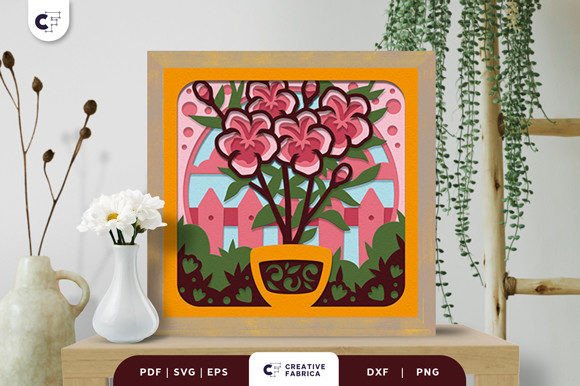
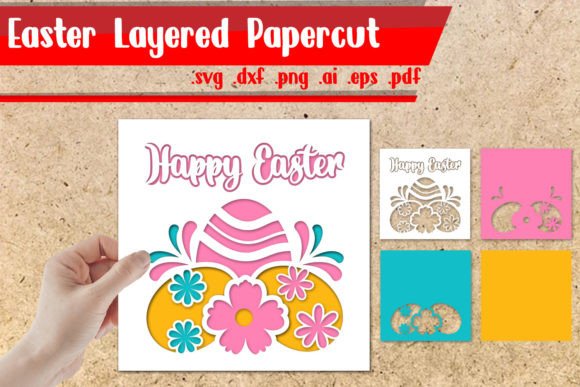
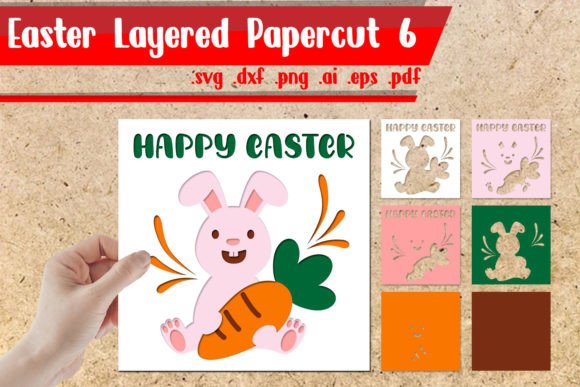
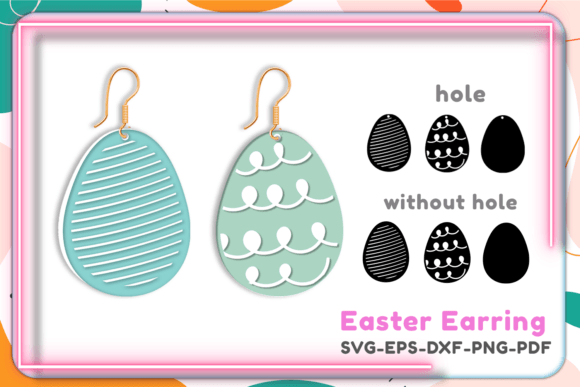
The core strength of this design lies in its layered architecture. While the product title highlights its use for Earrings and Laser Cutting, my mind immediately went to how these layers translate into thread. In embroidery, depth is hard to achieve without bulk, but the separation of objects in this embroidery file suggests a fantastic opportunity for multi-color satin stitch work or even textured fill stitch applications. The layout is balanced, meaning the visual weight is distributed evenly, which is crucial when you are stitching onto curved surfaces like caps or soft, draping fabrics like tote bags.
I envision this design working beautifully as an embroidered patch. If you were to stitch this onto a twill backing with a merrowed edge, the distinct layers would pop against the texture, creating a premium accessory that customers would happily pay extra for. Alternatively, imagine this as a central motif on a linen tea towel or a canvas tote bag design. The clean lines ensure that even from a distance, the Easter theme is recognizable without needing excessive detail that might get lost in the fabric weave.
Real-World Application: The Boutique Sweatshirt Scenario
To truly test the viability of the 3D Layered Easter Earring Svg, I mentally placed it on a heather grey crewneck sweatshirt. This is a staple item for any small shop product line during the spring season. Here, the design shines because of its scalability. Unlike intricate scenes that require large hoops to maintain stitch density integrity, this graphic holds its shape well even when scaled down for a left-chest logo or scaled up for a full-back statement.
In this scenario, the "3D" aspect of the file allows for creative thread choices. You could use varying shades of pastel pink or mint green across the different layers to simulate shadow and depth physically, not just visually. This adds a level of sophistication to custom apparel that flat designs simply cannot match. A customer receiving this as a personalized gift would immediately notice the effort put into the color selection and placement, boosting their trust in your brand. It transforms a simple holiday embroidery project into a piece of wearable art that feels exclusive.
Navigating Fabric Textures and Hoop Constraints
However, no design is without its challenges, and practical judgment is required before hitting "start." While the vector files included (SVG, DXF, EPS) are excellent for resizing, you must be cautious with fabric texture. If you attempt this on a highly textured fleece or a loose-knit sweater, the finer details of the layers might sink in or become distorted. For these materials, I recommend using a heavier cut-away stabilizer to provide a solid foundation. Conversely, on thin, stretchy fabrics like baby onesies, the density of the stitches could cause puckering. Always test on scrap fabric first. This is non-negotiable for maintaining professionalism in commercial embroidery.
Another consideration is the hoop size. Although the file is scalable, ensure your machine's hoop can accommodate the width of the design if you plan to keep it at its original proportions. For smaller hoops, you may need to separate the layers and stitch them individually, which requires precise alignment skills. Additionally, if you are working on dark fabric, remember that the design relies on contrast. You may need to add an underlay or adjust your thread colors to ensure the lighter pastel tones don't get muddy against a navy or black background.
Commercial Viability and Brand Consistency
For creative entrepreneurs and digital product sellers, the versatility of this asset is a major selling point. The inclusion of formats like PNG and PDF alongside the vector files means you can create cohesive marketing materials. You can use the PNG for printable mockups on your website, showing customers exactly how the finished product will look on a mug, a shirt, or a pillow cover. This consistency between your digital preview and the physical item builds buyer engagement and reduces return rates.
When considering this for commercial embroidery projects, pay close attention to the licensing terms provided with the download. The description notes specific file counts and types, such as "6 EPS cut files with 1 object in each file," which indicates a high level of modularity. This is perfect for customization. You could easily swap out colors for different clients or remove specific layers to simplify the design for a more minimalist aesthetic. This flexibility allows you to offer a range of products from a single design asset, maximizing your return on investment.
Final Verdict for the Practical Maker
The 3D Layered Easter Earring Svg is a robust tool for anyone serious about quality. It avoids the common pitfalls of over-complicated holiday graphics, offering instead a clean, adaptable structure that respects the limitations and strengths of embroidery machinery. Whether you are creating baby embroidery for a new arrival, crafting unique wedding gifts for a spring ceremony, or stocking your booth for a craft fair, this design delivers.
My advice is to treat the layers as opportunities for texture experimentation. Don't just stick to standard cotton thread; consider metallic threads for accent layers to catch the light, or matte finishes for a subdued, elegant look. Just remember to check the specific details regarding stitch count and machine compatibility if they are not explicitly stated in the file metadata, as every machine handles dense areas differently. By approaching this embroidery project with a tester's mindset, you ensure that every finished product leaving your studio reflects the highest standard of craftsmanship.